
What happens inside an organisation is human before it is commercial. We work where the two meet, identifying what is influencing performance and where change can produce better outcomes.
Organisational Advisory.
by Proper Standard
For 15 years, we have built businesses, products, teams, physical environments and customer experiences ourselves. We know what it takes to turn an idea into something people want, build a team around it and make it work commercially.
We also know that business is deeply human. Every person brings ambition, pressure, relationships, behaviour, decisions, confidence, uncertainty and change through the door with them.
We care enormously about commercial performance, and we believe you cannot separate it from the full humanity of the people creating it. Because how people think, decide, behave and perform ultimately shows up in the business.
WHY PROPER STANDARD
We know business from inside it.
ORGANISATIONAL ENGAGEMENTS
Work with us.
Using our whole-human methodology, Proper Standard works with founders and leadership teams to identify the interference influencing how people think, decide, lead and perform. We work at the intersection of human and commercial performance to strengthen the outcomes those decisions and behaviours produce.
Engagements may include:
Performance, behaviour and decision-making
People and performance strategy
Critical decisions and periods of change
New ventures, commercial strategy, opportunities and growth
Leadership Advisory
Bring us into your organisation.
Proper Standard examines your physical, digital and social environments through the same whole-human lens, identifying how they influence the way people think, behave, work and participate. We identify the interference within those environments and where change can strengthen the experience of your people and the performance of your organisation.
Engagements may include:
Physical, digital and social environment audits
Culture, behaviours and standards
Team environments and ways of working
Employee and customer experience
Organisational Environments
Bring Proper Standard into what you create.
Proper Standard partners with organisations and brands to bring our whole-human approach into something you are building, evolving or bringing to market. Together, we create products, programs, experiences and environments that consider how people actually live, work and participate, and are designed to perform in the real world.
Partnerships may include:
Bespoke programs and protocols
Product and experience development
Education and content
Long-term brand and strategic partnerships
Partnerships


"You learn a great deal about a business at the point of decision, in the middle of change and at the edge of expansion. These are the moments when the standards people hold become visible."
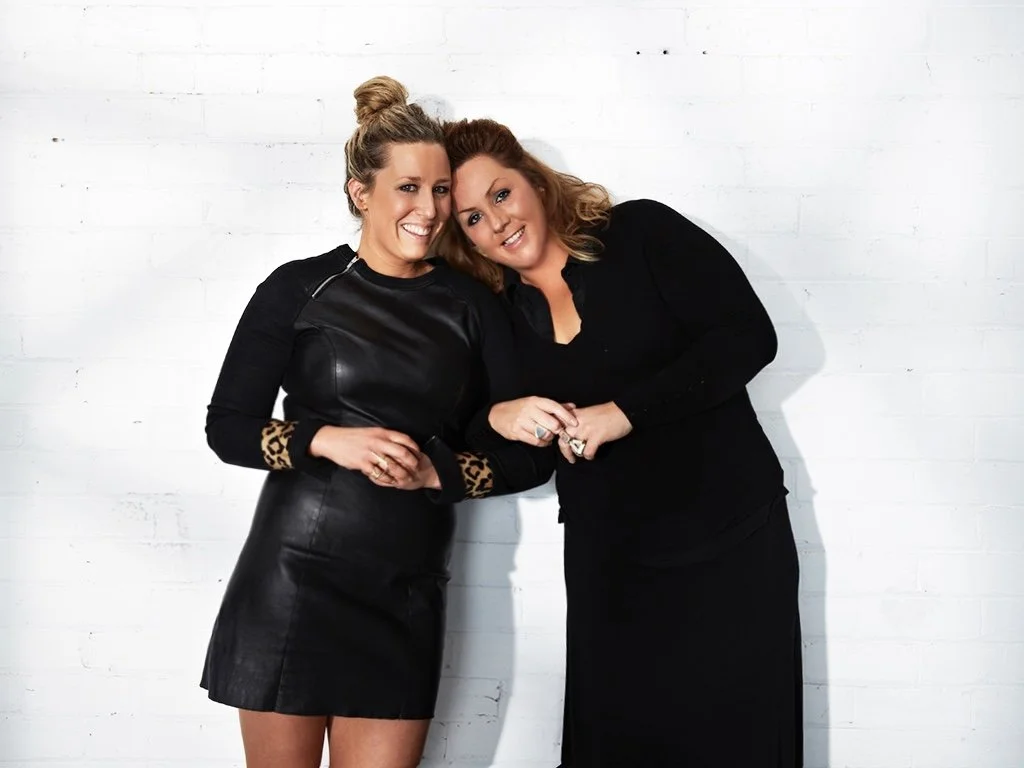
Elle Begely & Tamara Hansen
Co-founders, Proper Standard
REACH OUT